Apple Watch
Electronics
About
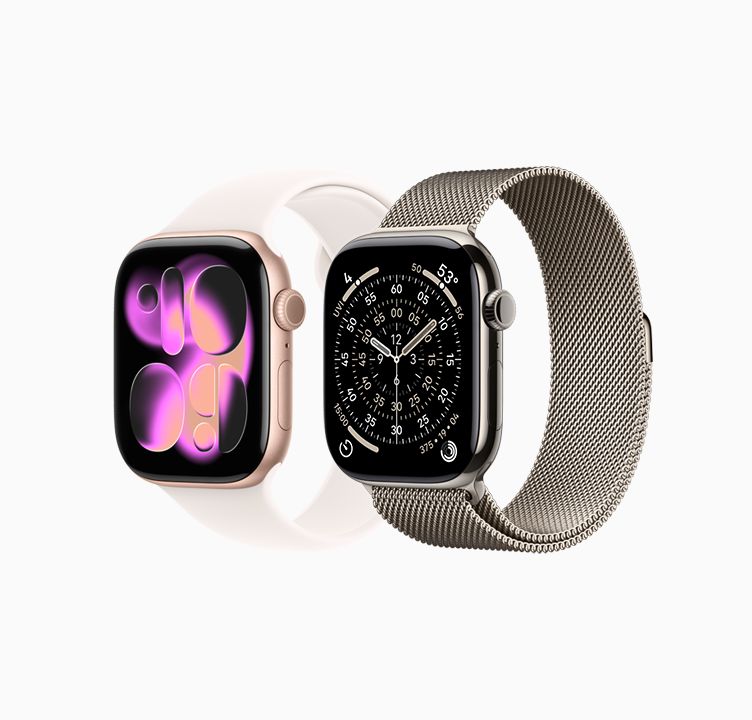
Apple Watch is a smartwatch developed by Apple.

Blunt Score
80(+2.6%)
Public Sentiment
2dAs of March 27, 2026, the Apple Watch remains the dominant force in the wearable technology market, currently experiencing a surge in retail activity due to aggressive discounting during the Amazon Big Spring Sale. Consumers are seeing significant price reductions across the lineup, including the Series 9, Series 10, Series 11, and the SE 3, which has gained traction for its new always-on display and on-device Siri capabilities. Despite this commercial momentum, industry analysts report that no major design overhaul is expected for the product line this year. Public perception continues to be shaped by the device's role as a high-performance fitness tool, with recent real-world testing comparing the Ultra 3 against specialized competitors like the Garmin Forerunner 970 to evaluate GPS and heart rate accuracy. While the ecosystem remains robust and increasingly independent from the iPhone, the device faces ongoing competitive pressure; recent updates to the Pixel Watch have narrowed the gap in call-handling features, challenging the Apple Watch's long-standing status as the industry benchmark. Beyond its technical utility, the watch is increasingly integrated into the personal wellness routines of users, often cited in lifestyle narratives alongside other Apple software like the Journal app. Meanwhile, the brand continues to manage the fallout from isolated reports of hardware malfunctions involving battery-related wrist burns, even as it expands health features like atrial fibrillation history to new international markets.
Score Breakdown
 Llama
Llama85
 Grok
Grok82
 Gemini
78
 ChatGPT
75
Reviews
DRAG TO SCORE
DRAG TO SCORE
Related
Apple Watch is a smartwatch developed by Apple.
DRAG TO SCORE
Public Sentiment
2dAs of March 27, 2026, the Apple Watch remains the dominant force in the wearable technology market, currently experiencing a surge in retail activity due to aggressive discounting during the Amazon Big Spring Sale. Consumers are seeing significant price reductions across the lineup, including the Series 9, Series 10, Series 11, and the SE 3, which has gained traction for its new always-on display and on-device Siri capabilities. Despite this commercial momentum, industry analysts report that no major design overhaul is expected for the product line this year. Public perception continues to be shaped by the device's role as a high-performance fitness tool, with recent real-world testing comparing the Ultra 3 against specialized competitors like the Garmin Forerunner 970 to evaluate GPS and heart rate accuracy. While the ecosystem remains robust and increasingly independent from the iPhone, the device faces ongoing competitive pressure; recent updates to the Pixel Watch have narrowed the gap in call-handling features, challenging the Apple Watch's long-standing status as the industry benchmark. Beyond its technical utility, the watch is increasingly integrated into the personal wellness routines of users, often cited in lifestyle narratives alongside other Apple software like the Journal app. Meanwhile, the brand continues to manage the fallout from isolated reports of hardware malfunctions involving battery-related wrist burns, even as it expands health features like atrial fibrillation history to new international markets.
Score Breakdown
Llama85
Grok82
Gemini78
ChatGPT75
Related