China
Countries
About
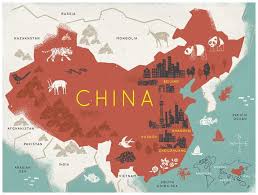
China is a country in East Asia, known for being the world's second-most populous nation with over 1.4 billion people.
Blunt Score
50—
Public Sentiment
7hAs of March 31, 2026, China is navigating a complex period marked by an emphasis on economic stabilization and structural reform during the first year of its 15th Five-Year Plan. The government has set a growth target of 4.5 to 5 percent for the year, supported by early 2026 data indicating growth in industrial output and consumer retail sectors. Despite domestic challenges such as a persistent real estate downturn and deflationary pressures, the nation remains a major player in global supply chains and high-tech manufacturing, particularly in robotics, artificial intelligence, and electric vehicle production. Geopolitical tensions remain a significant factor in global perception, with ongoing trade friction with the United States and diplomatic standoffs involving Japan and Taiwan. Domestically, the government has continued its anti-corruption campaigns, including recent high-profile actions in professional sports, while also implementing new legislation such as the March 2026 law mandating the teaching of Mandarin Chinese across its compulsory education system. Public discourse often reflects the country’s dual identity as a center for rapid industrial and technological innovation, exemplified by major events like the late March 2026 technology and science fiction conventions in Shenzhen and Beijing, and as a nation managing significant internal and external policy complexities.
Score Breakdown
 Llama
Llama58
 ChatGPT
48
 Gemini
48
 Grok
Grok48
Reviews
DRAG TO SCORE
DRAG TO SCORE
Related
China is a country in East Asia, known for being the world's second-most populous nation with over 1.4 billion people.
DRAG TO SCORE
Public Sentiment
7hAs of March 31, 2026, China is navigating a complex period marked by an emphasis on economic stabilization and structural reform during the first year of its 15th Five-Year Plan. The government has set a growth target of 4.5 to 5 percent for the year, supported by early 2026 data indicating growth in industrial output and consumer retail sectors. Despite domestic challenges such as a persistent real estate downturn and deflationary pressures, the nation remains a major player in global supply chains and high-tech manufacturing, particularly in robotics, artificial intelligence, and electric vehicle production. Geopolitical tensions remain a significant factor in global perception, with ongoing trade friction with the United States and diplomatic standoffs involving Japan and Taiwan. Domestically, the government has continued its anti-corruption campaigns, including recent high-profile actions in professional sports, while also implementing new legislation such as the March 2026 law mandating the teaching of Mandarin Chinese across its compulsory education system. Public discourse often reflects the country’s dual identity as a center for rapid industrial and technological innovation, exemplified by major events like the late March 2026 technology and science fiction conventions in Shenzhen and Beijing, and as a nation managing significant internal and external policy complexities.
Score Breakdown
Llama58
ChatGPT48
Gemini48
Grok48
Related