Dollar
Finance
About
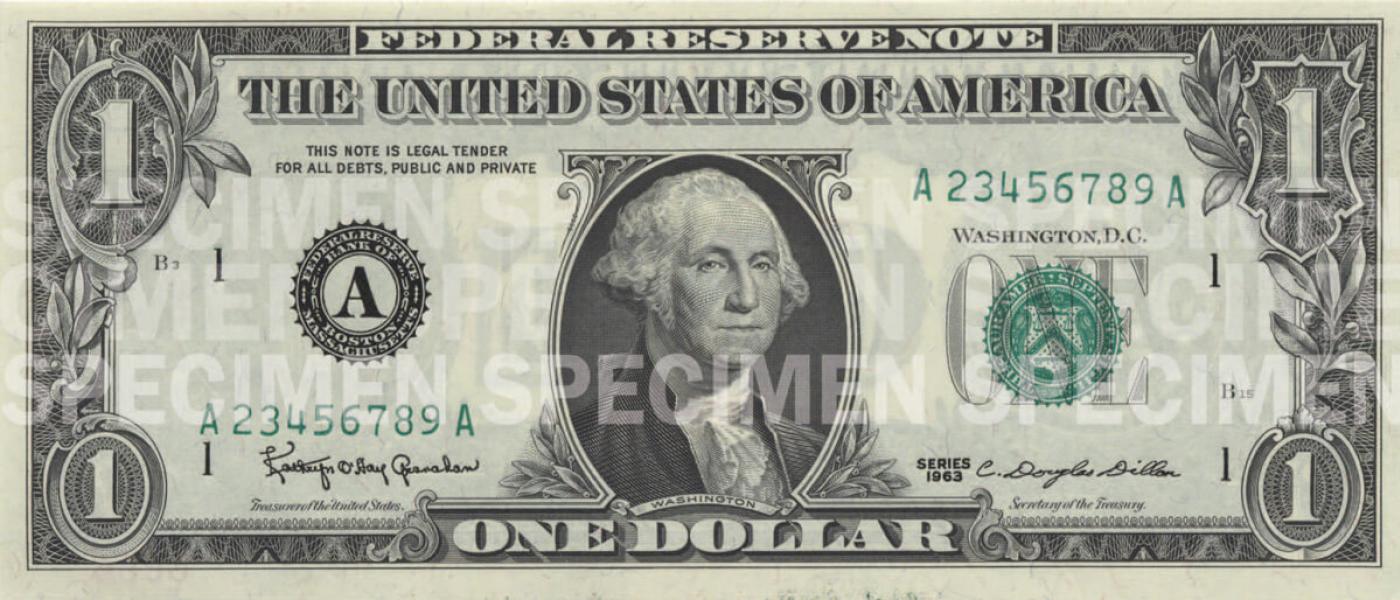
The US Dollar is the official currency of the United States and several other countries.
Blunt Score
68(-9.3%)
Public Sentiment
5hAs of March 29, 2026, the U.S. dollar is experiencing a period of intense visibility driven by both administrative changes and geopolitical volatility. The Treasury Department recently announced that President Donald Trump will become the first sitting president to have his signature featured on U.S. paper currency, a historic departure from the tradition of only including the signatures of the Treasurer of the United States and the Secretary of the Treasury. Simultaneously, the currency is navigating a complex global landscape; while its dominance remains reinforced by its role in the international oil trade, analysts are monitoring the potential rise of the petroyuan should the conflict in the Middle East escalate. Market sentiment remains mixed, with the dollar recently trending toward its strongest monthly gain in nearly a year due to safe-haven demand, even as some experts suggest shorting the currency against the yen if regional instability intensifies. Beyond these macroeconomic shifts, the term continues to serve as a standard unit of measurement in high-profile legal and financial sectors, appearing frequently in reports regarding multibillion-dollar data center investments and major Supreme Court rulings on copyright infringement judgments.
Score Breakdown
 Grok
Grok72
 ChatGPT
65
Reviews
DRAG TO SCORE
DRAG TO SCORE
Related
The US Dollar is the official currency of the United States and several other countries.
DRAG TO SCORE
Public Sentiment
5hAs of March 29, 2026, the U.S. dollar is experiencing a period of intense visibility driven by both administrative changes and geopolitical volatility. The Treasury Department recently announced that President Donald Trump will become the first sitting president to have his signature featured on U.S. paper currency, a historic departure from the tradition of only including the signatures of the Treasurer of the United States and the Secretary of the Treasury. Simultaneously, the currency is navigating a complex global landscape; while its dominance remains reinforced by its role in the international oil trade, analysts are monitoring the potential rise of the petroyuan should the conflict in the Middle East escalate. Market sentiment remains mixed, with the dollar recently trending toward its strongest monthly gain in nearly a year due to safe-haven demand, even as some experts suggest shorting the currency against the yen if regional instability intensifies. Beyond these macroeconomic shifts, the term continues to serve as a standard unit of measurement in high-profile legal and financial sectors, appearing frequently in reports regarding multibillion-dollar data center investments and major Supreme Court rulings on copyright infringement judgments.
Score Breakdown
Grok72
ChatGPT65
Related