Elon Musk
Business
About
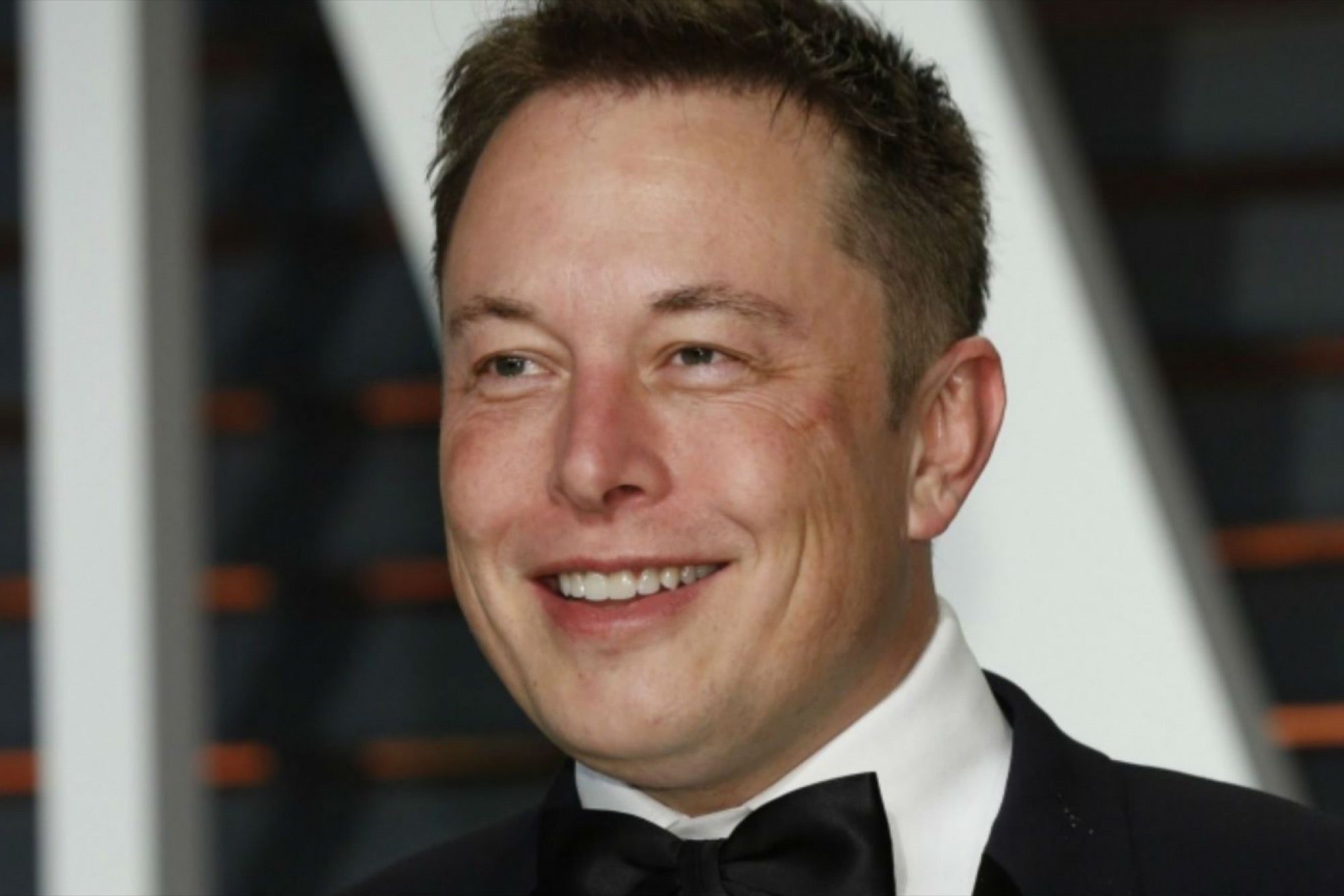
Elon Musk is a businessman and entrepreneur.
Blunt Score
43(-25.9%)
Public Sentiment
2dAs of March 27, 2026, Elon Musk faces a complex landscape of high-stakes corporate expansion, legal setbacks, and intensifying political friction. His companies are currently at the center of major developments: SpaceX is generating significant market buzz as it prepares for an unconventional IPO that prioritizes retail investors, while The Boring Company continues to pursue underground tunnel projects in cities like Dallas and New Orleans, despite facing local resistance in places like Nashville. Simultaneously, Musk is navigating significant legal challenges, including a federal judge’s dismissal of his lawsuit against X advertisers and a contentious jury verdict regarding investor claims that he is now challenging by alleging juror bias. His artificial intelligence venture, xAI, is pivoting toward AI video generation following the cancellation of OpenAI’s Sora, even as the company faces internal turnover and a Dutch court ruling restricting Grok’s ability to generate certain types of content. Meanwhile, Musk’s ambitious Terafab semiconductor project has drawn scrutiny for its massive projected costs, and his political standing remains polarized, highlighted by California Governor Gavin Newsom labeling him a disappointment and the White House rejecting his offer to fund TSA workers during a government shutdown. Public discourse remains deeply divided, with some observers viewing him as a transformative figure reshaping labor and technology, while others criticize his influence on federal policy and his increasingly litigious approach to public and legal affairs.
Score Breakdown
 Grok
Grok48
 Llama
Llama48
 ChatGPT
42
 Gemini
35
Reviews
DRAG TO SCORE
DRAG TO SCORE
Related
Elon Musk is a businessman and entrepreneur.
DRAG TO SCORE
Public Sentiment
2dAs of March 27, 2026, Elon Musk faces a complex landscape of high-stakes corporate expansion, legal setbacks, and intensifying political friction. His companies are currently at the center of major developments: SpaceX is generating significant market buzz as it prepares for an unconventional IPO that prioritizes retail investors, while The Boring Company continues to pursue underground tunnel projects in cities like Dallas and New Orleans, despite facing local resistance in places like Nashville. Simultaneously, Musk is navigating significant legal challenges, including a federal judge’s dismissal of his lawsuit against X advertisers and a contentious jury verdict regarding investor claims that he is now challenging by alleging juror bias. His artificial intelligence venture, xAI, is pivoting toward AI video generation following the cancellation of OpenAI’s Sora, even as the company faces internal turnover and a Dutch court ruling restricting Grok’s ability to generate certain types of content. Meanwhile, Musk’s ambitious Terafab semiconductor project has drawn scrutiny for its massive projected costs, and his political standing remains polarized, highlighted by California Governor Gavin Newsom labeling him a disappointment and the White House rejecting his offer to fund TSA workers during a government shutdown. Public discourse remains deeply divided, with some observers viewing him as a transformative figure reshaping labor and technology, while others criticize his influence on federal policy and his increasingly litigious approach to public and legal affairs.
Score Breakdown
Grok48
Llama48
ChatGPT42
Gemini35
Related