Green Tea
Food
About
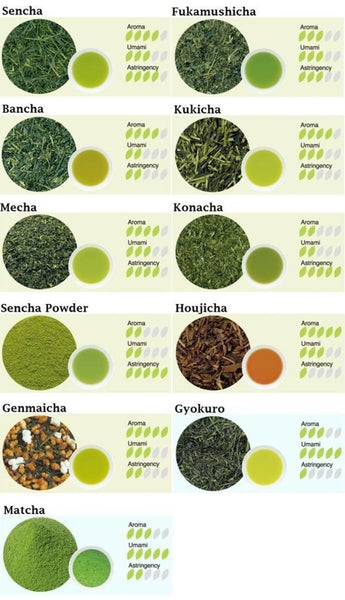
Green tea is a type of tea made from the leaves and buds of the Camellia sinensis plant.
Blunt Score
84(-1.2%)
Public Sentiment
1dAs of March 28, 2026, public perception of green tea remains overwhelmingly positive, centered on its reputation as a health-conscious alternative to coffee, though recent discourse has introduced nuances regarding its consumption. Scientific interest continues to highlight the beverage's potential for improving heart health, blood sugar management, and cognitive focus, with recent studies reinforcing its role in lowering cholesterol and blood pressure. While mainstream media frequently features personal experiments and comparative analyses between green tea and coffee, the beverage has also become a subject of cultural and institutional debate. Notably, the LDS Church-owned Brigham Young University recently removed products containing green tea extract from its shelves, sparking renewed discussions regarding the interpretation of dietary guidelines within the faith. Simultaneously, the beverage continues to evolve in the commercial sector, with major brands like Starbucks Japan integrating it into innovative, sensorial product lines such as sparkling matcha sodas to appeal to modern consumer tastes.
Score Breakdown
 Blunt Users
93
 Grok
Grok88
 Gemini
85
 Llama
Llama85
 ChatGPT
80
Reviews
DRAG TO SCORE
DRAG TO SCORE
Related
Green tea is a type of tea made from the leaves and buds of the Camellia sinensis plant.
DRAG TO SCORE
Public Sentiment
1dAs of March 28, 2026, public perception of green tea remains overwhelmingly positive, centered on its reputation as a health-conscious alternative to coffee, though recent discourse has introduced nuances regarding its consumption. Scientific interest continues to highlight the beverage's potential for improving heart health, blood sugar management, and cognitive focus, with recent studies reinforcing its role in lowering cholesterol and blood pressure. While mainstream media frequently features personal experiments and comparative analyses between green tea and coffee, the beverage has also become a subject of cultural and institutional debate. Notably, the LDS Church-owned Brigham Young University recently removed products containing green tea extract from its shelves, sparking renewed discussions regarding the interpretation of dietary guidelines within the faith. Simultaneously, the beverage continues to evolve in the commercial sector, with major brands like Starbucks Japan integrating it into innovative, sensorial product lines such as sparkling matcha sodas to appeal to modern consumer tastes.
Score Breakdown
Blunt Users93
Grok88
Gemini85
Llama85
ChatGPT80
Related