Blunt Score
42%
Interest Rate Cuts
Interest Rate Cuts is a reduction in interest rates by a central bank.
Last Updated: 22d37.3%
Latest News
As of March 30, 2026, the outlook for Federal Reserve interest rate cuts has shifted from optimistic anticipation to widespread skepticism, with financial markets now pricing in a near-zero probability of reductions for the remainder of the year. While economists in recent polls suggest that cuts may eventually resume by September, current sentiment is dominated by a hawkish turn among investors and policymakers.
Federal Reserve officials have signaled that the path forward is highly uncertain, with some suggesting that rates could remain steady or even rise due to concerns over surging inflation, global oil crises, and the economic fallout from ongoing trade wars. This volatility is further complicated by slowing growth and credit risks, leading to a divided consensus within the central bank.
Consequently, the previous expectation of a steady decline in interest rates has been replaced by a "wait and see" approach, as the Fed balances the need to combat economic instability against the risk of premature policy easing.
 Llama
Llama48%
 Gemini
45%
 ChatGPT
35%
 Grok
Grok38%
Rating Analysis
As of March 30, 2026, the outlook for Federal Reserve interest rate cuts has shifted from optimistic anticipation to widespread skepticism, with financial markets now pricing in a near-zero probability of reductions for the remainder of the year. While economists in recent polls suggest that cuts may eventually resume by September, current sentiment is dominated by a hawkish turn among investors and policymakers.
Federal Reserve officials have signaled that the path forward is highly uncertain, with some suggesting that rates could remain steady or even rise due to concerns over surging inflation, global oil crises, and the economic fallout from ongoing trade wars. This volatility is further complicated by slowing growth and credit risks, leading to a divided consensus within the central bank.
Consequently, the previous expectation of a steady decline in interest rates has been replaced by a "wait and see" approach, as the Fed balances the need to combat economic instability against the risk of premature policy easing. Interest rate cuts refer to the Federal Reserve’s decision to lower the federal funds rate, which is the interest rate at which depository institutions lend reserve balances to other depository institutions overnight.
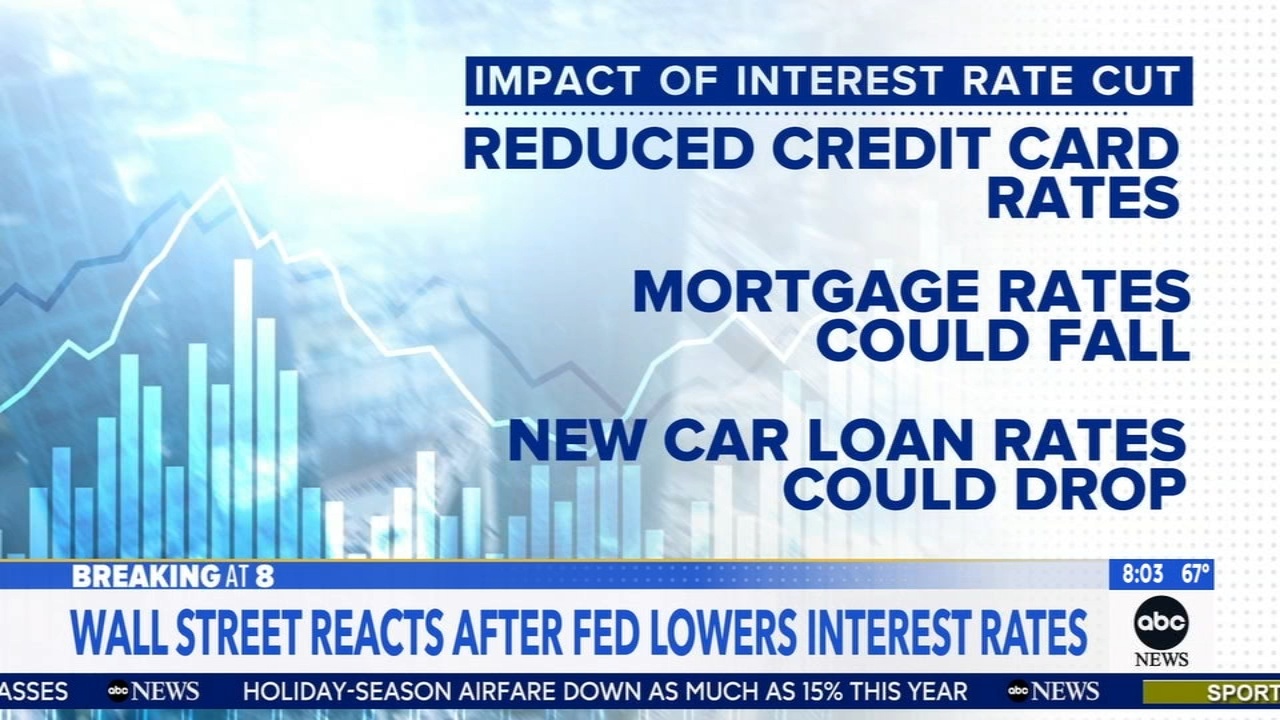
By reducing this benchmark rate, the Fed aims to stimulate economic activity by making borrowing cheaper for businesses and consumers, which typically encourages investment and spending. Conversely, the Fed raises rates to cool down an overheating economy and curb inflation.
The Federal Reserve manages these rates as part of its dual mandate to promote maximum employment and stable prices. Historically, the central bank adjusts these rates in response to macroeconomic indicators such as unemployment data, inflation reports, and gross domestic product growth.
Decisions regarding rate cuts are made by the Federal Open Market Committee, which meets regularly to assess the state of the U. S.
economy. These adjustments have a profound impact on the broader financial landscape, influencing everything from mortgage rates and credit card interest to the valuation of the U.
S. dollar and global market stability.
Throughout its history, the Fed has utilized rate cuts as a primary tool to navigate economic downturns, financial crises, and periods of stagnation, making the committee's forward-looking guidance one of the most closely watched signals in global finance.
Reviews
DRAG TO SCORE
Score over time
Not enough history yet
Blunt Score
42%
AI Average
42%
Users Average
—
Metadata
At a glance
- Classification
- Added
- Jan 30
- AI models
- 4
- AI avg
- 42%
Interest Rate Cuts
Finance & Economics
42%
Score
Interest Rate Cuts is a reduction in interest rates by a central bank.
DRAG TO SCORE
Why this score?
-37.3%As of March 30, 2026, the outlook for Federal Reserve interest rate cuts has shifted from optimistic anticipation to widespread skepticism, with financial markets now pricing in a near-zero probability of reductions for the remainder of the year. While economists in recent polls suggest that cuts may eventually resume by September, current sentiment is dominated by a hawkish turn among investors and policymakers. Federal Reserve officials have signaled that the path forward is highly uncertain, with some suggesting that rates could remain steady or even rise due to concerns over surging inflation, global oil crises, and the economic fallout from ongoing trade wars. This volatility is further complicated by slowing growth and credit risks, leading to a divided consensus within the central bank. Consequently, the previous expectation of a steady decline in interest rates has been replaced by a "wait and see" approach, as the Fed balances the need to combat economic instability against the risk of premature policy easing.
Reviews
Score Analysis
Llama48%
Gemini45%
ChatGPT35%
Grok38%
Related