Iran
Countries
About
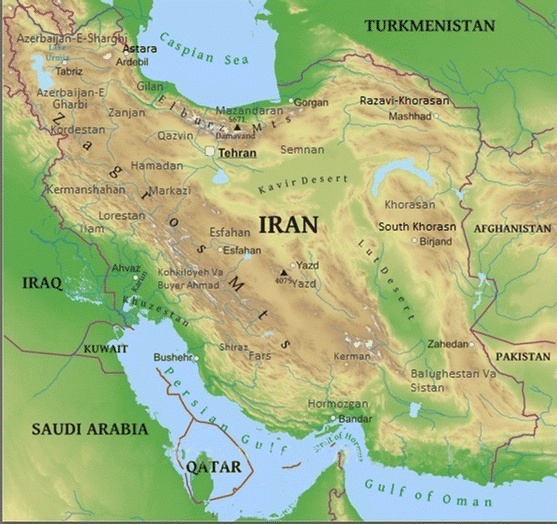
Iran is a mountainous, arid, and ethnically diverse country of southwestern Asia.
Blunt Score
21—
Public Sentiment
1dAs of March 28, 2026, the military conflict between Iran and the U.S.-Israeli coalition has entered its 28th day, marked by a significant escalation as Iranian-aligned Houthi forces in Yemen launched their first direct attack on Israel. The conflict has expanded into Saudi Arabia, where an Iranian strike on a military base resulted in injuries to 12 U.S. service members, prompting President Trump to declare that the war is not finished and that thousands of targets remain. The humanitarian toll is mounting, with the Iranian Red Crescent reporting that over 92,600 civilian units have been damaged by U.S.-Israeli strikes. Domestically, the war has become a source of intense political friction, causing a generational divide among American conservatives at CPAC and fueling criticism of President Trump’s strategy, which some analysts describe as a failing gamble. Amidst the kinetic warfare, the cyber front has intensified, with Iran-linked hackers breaching the personal email of FBI Director Kash Patel. Global economic anxiety is peaking as energy markets brace for a potential oil shock, though President Trump has reportedly delayed a deadline regarding the Strait of Hormuz. Despite the ongoing violence, the White House continues to explore potential alternative leadership, eyeing Iranian parliament speaker Mohammad Bagher Ghalibaf as a possible partner, even as Iranian leadership maintains a defiant stance against negotiations.
Score Breakdown
 Grok
Grok12
 Gemini
15
 ChatGPT
25
 Llama
Llama32
Reviews
DRAG TO SCORE
DRAG TO SCORE
Related
Iran is a mountainous, arid, and ethnically diverse country of southwestern Asia.
DRAG TO SCORE
Public Sentiment
1dAs of March 28, 2026, the military conflict between Iran and the U.S.-Israeli coalition has entered its 28th day, marked by a significant escalation as Iranian-aligned Houthi forces in Yemen launched their first direct attack on Israel. The conflict has expanded into Saudi Arabia, where an Iranian strike on a military base resulted in injuries to 12 U.S. service members, prompting President Trump to declare that the war is not finished and that thousands of targets remain. The humanitarian toll is mounting, with the Iranian Red Crescent reporting that over 92,600 civilian units have been damaged by U.S.-Israeli strikes. Domestically, the war has become a source of intense political friction, causing a generational divide among American conservatives at CPAC and fueling criticism of President Trump’s strategy, which some analysts describe as a failing gamble. Amidst the kinetic warfare, the cyber front has intensified, with Iran-linked hackers breaching the personal email of FBI Director Kash Patel. Global economic anxiety is peaking as energy markets brace for a potential oil shock, though President Trump has reportedly delayed a deadline regarding the Strait of Hormuz. Despite the ongoing violence, the White House continues to explore potential alternative leadership, eyeing Iranian parliament speaker Mohammad Bagher Ghalibaf as a possible partner, even as Iranian leadership maintains a defiant stance against negotiations.
Score Breakdown
Grok12
Gemini15
ChatGPT25
Llama32
Related