Joseph Stalin
Politicians
About
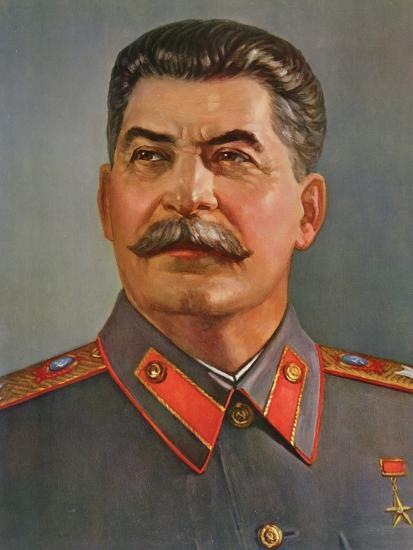
Joseph Stalin is a Soviet politician and revolutionary leader.
Blunt Score
32—
Public Sentiment
2dAs of March 27, 2026, Joseph Stalin remains a polarizing and potent symbol in global discourse, with his legacy increasingly invoked in contemporary political rhetoric and cultural media. Recent developments throughout 2025 and early 2026 have highlighted a persistent resurgence of his presence in the public sphere. In Moscow, the installation of a new statue and the recreation of a mural in the Taganskaya metro station have sparked intense international debate regarding the state-led rehabilitation of his image and the commemoration of Soviet history. His name continues to serve as a touchstone in discussions regarding authoritarianism, with analysts frequently drawing parallels between his historical military purges and modern geopolitical developments, such as current internal shifts within the Chinese military. Public figures who express admiration for his leadership continue to face significant criticism, while his life remains a subject of ongoing academic and artistic exploration. Recent cultural contributions include Sheila Fitzpatrick’s literary analysis in The Death of Stalin, theatrical productions like Six Men Dressed Like Joseph Stalin, and reports of a forthcoming historical film by director Matt Reeves focusing on the wartime summit between Stalin and Winston Churchill.
Score Breakdown
 Gemini
25
 Llama
Llama32
 ChatGPT
35
 Grok
Grok38
Reviews
DRAG TO SCORE
DRAG TO SCORE
Related
Joseph Stalin is a Soviet politician and revolutionary leader.
DRAG TO SCORE
Public Sentiment
2dAs of March 27, 2026, Joseph Stalin remains a polarizing and potent symbol in global discourse, with his legacy increasingly invoked in contemporary political rhetoric and cultural media. Recent developments throughout 2025 and early 2026 have highlighted a persistent resurgence of his presence in the public sphere. In Moscow, the installation of a new statue and the recreation of a mural in the Taganskaya metro station have sparked intense international debate regarding the state-led rehabilitation of his image and the commemoration of Soviet history. His name continues to serve as a touchstone in discussions regarding authoritarianism, with analysts frequently drawing parallels between his historical military purges and modern geopolitical developments, such as current internal shifts within the Chinese military. Public figures who express admiration for his leadership continue to face significant criticism, while his life remains a subject of ongoing academic and artistic exploration. Recent cultural contributions include Sheila Fitzpatrick’s literary analysis in The Death of Stalin, theatrical productions like Six Men Dressed Like Joseph Stalin, and reports of a forthcoming historical film by director Matt Reeves focusing on the wartime summit between Stalin and Winston Churchill.
Score Breakdown
Gemini25
Llama32
ChatGPT35
Grok38
Related