Losing someone
Emotions
About
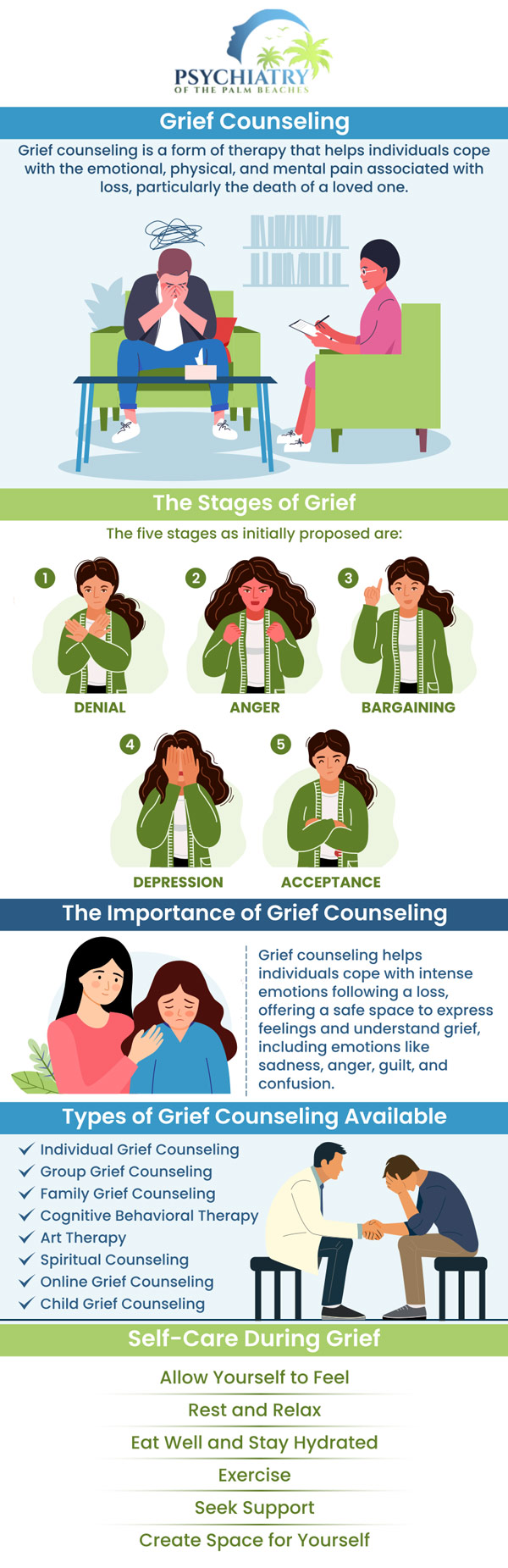
Losing someone is experiencing grief after a loved one's death
Blunt Score
51(+50.0%)
Public Sentiment
5hAs of March 29, 2026, public discourse surrounding the experience of losing someone has shifted toward a more nuanced understanding of grief as both a physiological health risk and a catalyst for community-based advocacy. Recent developments highlight a growing focus on specialized support systems for those affected by traumatic or sudden losses, including suicide, gun violence, addiction, and chronic illnesses like dementia or Marfan syndrome. Media coverage and public health initiatives increasingly emphasize that grief is not merely an emotional state but a life-threatening physical stressor, with data suggesting that the bereaved face higher mortality risks during the mourning period. Simultaneously, there is a broader cultural effort to destigmatize the various ways one can lose a person, ranging from the physical death of a loved one to the ambiguous loss associated with dementia or the dissolution of relationships. Modern discourse also addresses the intersection of mental health and the complex guilt often associated with unexpected loss, while advocacy groups continue to use public campaigns to raise awareness about preventable deaths and the necessity of systemic support for survivors.
Score Breakdown
 ChatGPT
75
 Llama
Llama62
 Gemini
35
 Grok
Grok32
Reviews
DRAG TO SCORE
DRAG TO SCORE
Related
Losing someone is experiencing grief after a loved one's death
DRAG TO SCORE
Public Sentiment
5hAs of March 29, 2026, public discourse surrounding the experience of losing someone has shifted toward a more nuanced understanding of grief as both a physiological health risk and a catalyst for community-based advocacy. Recent developments highlight a growing focus on specialized support systems for those affected by traumatic or sudden losses, including suicide, gun violence, addiction, and chronic illnesses like dementia or Marfan syndrome. Media coverage and public health initiatives increasingly emphasize that grief is not merely an emotional state but a life-threatening physical stressor, with data suggesting that the bereaved face higher mortality risks during the mourning period. Simultaneously, there is a broader cultural effort to destigmatize the various ways one can lose a person, ranging from the physical death of a loved one to the ambiguous loss associated with dementia or the dissolution of relationships. Modern discourse also addresses the intersection of mental health and the complex guilt often associated with unexpected loss, while advocacy groups continue to use public campaigns to raise awareness about preventable deaths and the necessity of systemic support for survivors.
Score Breakdown
ChatGPT75
Llama62
Gemini35
Grok32
Related