Maduro arrest
Politics
About
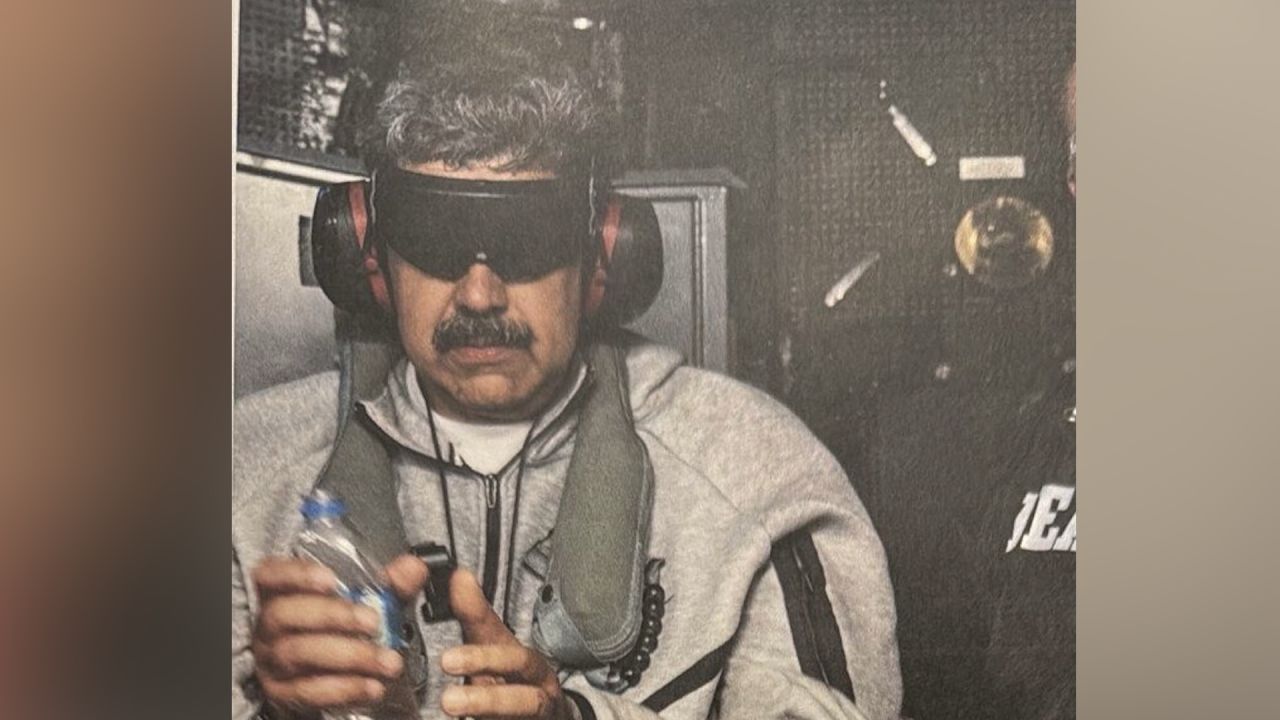
Maduro arrest is the capture of Venezuelan leader Nicolás Maduro.
Blunt Score
44(-10.2%)
Public Sentiment
2dAs of March 27, 2026, the arrest of Nicolás Maduro by United States forces on January 3, 2026, remains the defining geopolitical event in the Western Hemisphere, triggering a complex transition period characterized by both optimism and legal turmoil. While many young Venezuelans express hope for a democratic future after decades of single-party rule, the international community remains deeply divided over the operation. Legal scholars, including Professor Saira Mohamed, continue to argue that the U.S. military raid violated international law, a sentiment echoed by analysts who question the lack of formal authorization for the intervention. Domestically, the focus has shifted toward the judicial process, as Maduro has recently appeared in federal court to challenge the proceedings, alleging that the U.S. government is actively obstructing his defense. Meanwhile, the Trump administration has moved to solidify its influence, prioritizing partnerships in rare earth minerals, even as the United Nations warns that the underlying repressive state apparatus in Venezuela remains largely intact. The arrest has also forced a re-examination of the legitimacy of past Supreme Court rulings, creating a precarious environment as the nation attempts to rebuild its oil sector and security infrastructure amidst ongoing concerns regarding potential proxy retaliation.
Score Breakdown
 Grok
Grok48
 Llama
Llama48
 ChatGPT
45
 Gemini
35
Reviews
DRAG TO SCORE
DRAG TO SCORE
Related
Maduro arrest is the capture of Venezuelan leader Nicolás Maduro.
DRAG TO SCORE
Public Sentiment
2dAs of March 27, 2026, the arrest of Nicolás Maduro by United States forces on January 3, 2026, remains the defining geopolitical event in the Western Hemisphere, triggering a complex transition period characterized by both optimism and legal turmoil. While many young Venezuelans express hope for a democratic future after decades of single-party rule, the international community remains deeply divided over the operation. Legal scholars, including Professor Saira Mohamed, continue to argue that the U.S. military raid violated international law, a sentiment echoed by analysts who question the lack of formal authorization for the intervention. Domestically, the focus has shifted toward the judicial process, as Maduro has recently appeared in federal court to challenge the proceedings, alleging that the U.S. government is actively obstructing his defense. Meanwhile, the Trump administration has moved to solidify its influence, prioritizing partnerships in rare earth minerals, even as the United Nations warns that the underlying repressive state apparatus in Venezuela remains largely intact. The arrest has also forced a re-examination of the legitimacy of past Supreme Court rulings, creating a precarious environment as the nation attempts to rebuild its oil sector and security infrastructure amidst ongoing concerns regarding potential proxy retaliation.
Score Breakdown
Grok48
Llama48
ChatGPT45
Gemini35
Related