Mark Carney
Politicians
About
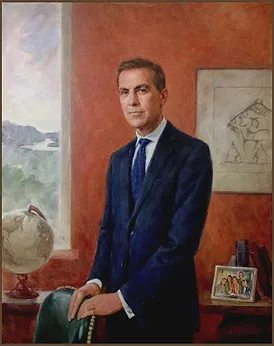
Mark Carney is Canada's Prime Minister

Blunt Score
47(+2.2%)
Public Sentiment
2dAs of March 27, 2026, Prime Minister Mark Carney faces a complex political landscape defined by significant international assertiveness and mounting domestic pressures. His administration recently achieved a major policy milestone by meeting NATO’s 2 percent military spending target, a move intended to address long-standing criticism from American leadership. Internationally, Carney has positioned himself as a central figure in global trade and security, spearheading a coalition of nearly 40 nations to reform or replace the World Trade Organization and lobbying G7 partners to establish a new defence bank. Despite these diplomatic efforts, his relationship with the United States remains strained, with recent media analysis suggesting that his trade ambitions intentionally exclude the Trump administration. Domestically, Carney is navigating a series of controversies, including a public rebuke of Air Canada’s leadership over an English-only response to a fatal crash at LaGuardia, which reignited national debates over linguistic rights. He has also committed to a public apology for a historical government spying program that targeted Indigenous communities. While he continues to promote his economic agenda at regional events like the Halifax Chamber of Commerce, his administration remains under scrutiny from both the political left and the federal Conservatives, who continue to challenge his centrist platform and his handling of social and cultural policy.
Score Breakdown
 Grok
Grok52
 ChatGPT
45
 Gemini
45
Reviews
DRAG TO SCORE
DRAG TO SCORE
Related
Mark Carney is Canada's Prime Minister
DRAG TO SCORE
Public Sentiment
2dAs of March 27, 2026, Prime Minister Mark Carney faces a complex political landscape defined by significant international assertiveness and mounting domestic pressures. His administration recently achieved a major policy milestone by meeting NATO’s 2 percent military spending target, a move intended to address long-standing criticism from American leadership. Internationally, Carney has positioned himself as a central figure in global trade and security, spearheading a coalition of nearly 40 nations to reform or replace the World Trade Organization and lobbying G7 partners to establish a new defence bank. Despite these diplomatic efforts, his relationship with the United States remains strained, with recent media analysis suggesting that his trade ambitions intentionally exclude the Trump administration. Domestically, Carney is navigating a series of controversies, including a public rebuke of Air Canada’s leadership over an English-only response to a fatal crash at LaGuardia, which reignited national debates over linguistic rights. He has also committed to a public apology for a historical government spying program that targeted Indigenous communities. While he continues to promote his economic agenda at regional events like the Halifax Chamber of Commerce, his administration remains under scrutiny from both the political left and the federal Conservatives, who continue to challenge his centrist platform and his handling of social and cultural policy.
Score Breakdown
Grok52
ChatGPT45
Gemini45
Related