Pol Pot
Politicians
About
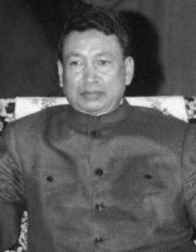
Pol Pot was the leader of the Khmer Rouge, a communist regime in Cambodia.
Blunt Score
8(-20.0%)
Public Sentiment
9dAs of March 20, 2026, Pol Pot remains a potent symbol in global political discourse and a subject of intense historical and cultural scrutiny. Recent interest has been driven by the 2025 release of Rithy Panh’s film Meeting with Pol Pot, which dramatizes the 1978 visit of Western outsiders to Cambodia and highlights the ongoing challenges of documenting and reporting on totalitarian regimes. Beyond cinematic analysis, the legacy of his regime continues to intersect with religious and social processes, as evidenced by the recent conclusion of the diocesan phase in Phnom Penh for the beatification of Bishop Joseph Chhmar Salas and 11 other victims of the Khmer Rouge genocide, a cause that has now moved to Rome. The dictator’s name also persists as a frequent point of reference in contemporary political rhetoric, used by figures such as Serbian President Aleksandar Vucic to characterize modern political movements.
Score Breakdown
 Grok
Grok3
 Gemini
5
 ChatGPT
10
 Llama
Llama12
Reviews
DRAG TO SCORE
DRAG TO SCORE
Related
Pol Pot was the leader of the Khmer Rouge, a communist regime in Cambodia.
DRAG TO SCORE
Public Sentiment
9dAs of March 20, 2026, Pol Pot remains a potent symbol in global political discourse and a subject of intense historical and cultural scrutiny. Recent interest has been driven by the 2025 release of Rithy Panh’s film Meeting with Pol Pot, which dramatizes the 1978 visit of Western outsiders to Cambodia and highlights the ongoing challenges of documenting and reporting on totalitarian regimes. Beyond cinematic analysis, the legacy of his regime continues to intersect with religious and social processes, as evidenced by the recent conclusion of the diocesan phase in Phnom Penh for the beatification of Bishop Joseph Chhmar Salas and 11 other victims of the Khmer Rouge genocide, a cause that has now moved to Rome. The dictator’s name also persists as a frequent point of reference in contemporary political rhetoric, used by figures such as Serbian President Aleksandar Vucic to characterize modern political movements.
Score Breakdown
Grok3
Gemini5
ChatGPT10
Llama12
Related