Russia
Countries
About
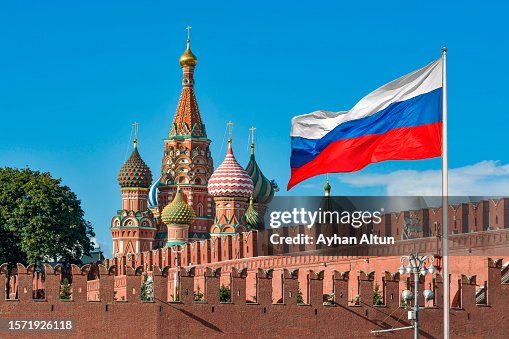
Russia is a country located in Eastern Europe and Northern Asia.
Blunt Score
26(-7.1%)
Public Sentiment
4hAs of March 29, 2026, Russia is navigating a volatile geopolitical landscape defined by its ongoing war in Ukraine, deepening military entanglements in the Middle East, and intensifying friction with Western powers. President Zelenskyy has accused Moscow of sharing sensitive intelligence with Iran to target U.S. forces, a claim supported by European allies who suggest Russia’s military cooperation with Tehran is more extensive than previously acknowledged. On the battlefield, Russian forces continue to conduct offensive operations, including a recent strike on a maternity hospital in Odesa, while simultaneously struggling to defend domestic energy infrastructure against a surge in Ukrainian drone attacks on oil refineries and export routes. In response to these economic pressures and rising global crude prices, the Kremlin has announced a ban on gasoline exports starting April 1. Domestically, the Russian economy shows signs of strain, with small businesses facing extreme tax hikes and reports emerging of Russian companies utilizing North Korean laborers in violation of U.N. sanctions. Diplomatic tensions remain high; a visit by sanctioned Russian lawmakers to the U.S. Capitol has sparked outrage among American Democrats, and a heated exchange between Secretary of State Marco Rubio and EU foreign policy chief Kaja Kallas at the G7 highlighted ongoing disagreements regarding the appropriate Western response to Moscow. Meanwhile, Russia is reportedly seeking to legalize vehicles stolen from the EU, and the Philippines has signaled an intent to increase purchases of Russian crude oil amid the broader regional instability. These developments occur as Russia’s influence in the Sahel wanes and internal military critics continue to question the lack of a decisive victory in Ukraine.
Score Breakdown
 Gemini
15
 ChatGPT
25
 Grok
Grok32
 Llama
Llama32
Reviews
DRAG TO SCORE
DRAG TO SCORE
Related
Russia is a country located in Eastern Europe and Northern Asia.
DRAG TO SCORE
Public Sentiment
4hAs of March 29, 2026, Russia is navigating a volatile geopolitical landscape defined by its ongoing war in Ukraine, deepening military entanglements in the Middle East, and intensifying friction with Western powers. President Zelenskyy has accused Moscow of sharing sensitive intelligence with Iran to target U.S. forces, a claim supported by European allies who suggest Russia’s military cooperation with Tehran is more extensive than previously acknowledged. On the battlefield, Russian forces continue to conduct offensive operations, including a recent strike on a maternity hospital in Odesa, while simultaneously struggling to defend domestic energy infrastructure against a surge in Ukrainian drone attacks on oil refineries and export routes. In response to these economic pressures and rising global crude prices, the Kremlin has announced a ban on gasoline exports starting April 1. Domestically, the Russian economy shows signs of strain, with small businesses facing extreme tax hikes and reports emerging of Russian companies utilizing North Korean laborers in violation of U.N. sanctions. Diplomatic tensions remain high; a visit by sanctioned Russian lawmakers to the U.S. Capitol has sparked outrage among American Democrats, and a heated exchange between Secretary of State Marco Rubio and EU foreign policy chief Kaja Kallas at the G7 highlighted ongoing disagreements regarding the appropriate Western response to Moscow. Meanwhile, Russia is reportedly seeking to legalize vehicles stolen from the EU, and the Philippines has signaled an intent to increase purchases of Russian crude oil amid the broader regional instability. These developments occur as Russia’s influence in the Sahel wanes and internal military critics continue to question the lack of a decisive victory in Ukraine.
Score Breakdown
Gemini15
ChatGPT25
Grok32
Llama32
Related