Tablet
Electronics
About
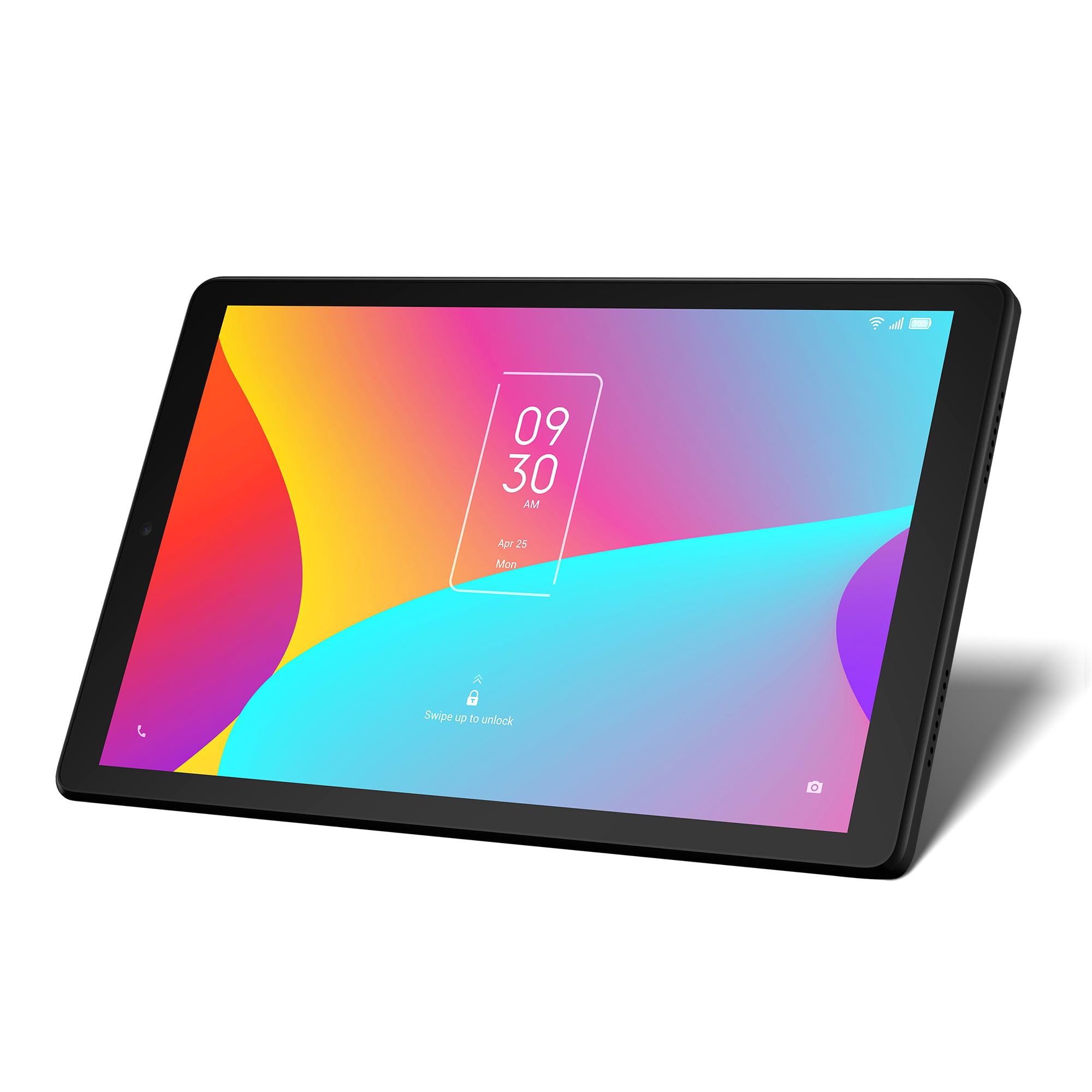
Tablet is a portable electronic computer device with a touchscreen display and internet connectivity.

Blunt Score
74(-9.8%)
Public Sentiment
2dAs of March 27, 2026, the tablet market is currently defined by a mix of aggressive retail discounting, hardware innovation, and complex social integration. Major retailers like Amazon are hosting significant sales events, driving record-low prices for Android-based devices from manufacturers such as TCL and Lenovo. While budget-friendly 2-in-1 devices and modular, repairable tablets are gaining traction for their accessibility and longevity, power users are increasingly turning to custom software launchers to bridge the gap between mobile operating systems and desktop-like productivity. Beyond consumer electronics, tablets have become essential infrastructure in institutional settings, such as California prisons, where they serve as primary communication tools for incarcerated individuals, though these systems face ongoing scrutiny regarding technological migrations and user experience. Meanwhile, the term continues to hold distinct meanings in other sectors, ranging from medical contexts involving weight-loss medication to its use as a brand name in digital media and journalism.
Score Breakdown
 Llama
Llama82
 ChatGPT
75
 Grok
Grok72
 Gemini
65
Reviews
DRAG TO SCORE
DRAG TO SCORE
Related
Tablet is a portable electronic computer device with a touchscreen display and internet connectivity.
DRAG TO SCORE
Public Sentiment
2dAs of March 27, 2026, the tablet market is currently defined by a mix of aggressive retail discounting, hardware innovation, and complex social integration. Major retailers like Amazon are hosting significant sales events, driving record-low prices for Android-based devices from manufacturers such as TCL and Lenovo. While budget-friendly 2-in-1 devices and modular, repairable tablets are gaining traction for their accessibility and longevity, power users are increasingly turning to custom software launchers to bridge the gap between mobile operating systems and desktop-like productivity. Beyond consumer electronics, tablets have become essential infrastructure in institutional settings, such as California prisons, where they serve as primary communication tools for incarcerated individuals, though these systems face ongoing scrutiny regarding technological migrations and user experience. Meanwhile, the term continues to hold distinct meanings in other sectors, ranging from medical contexts involving weight-loss medication to its use as a brand name in digital media and journalism.
Score Breakdown
Llama82
ChatGPT75
Grok72
Gemini65
Related