United Arab Emirates
Countries
About
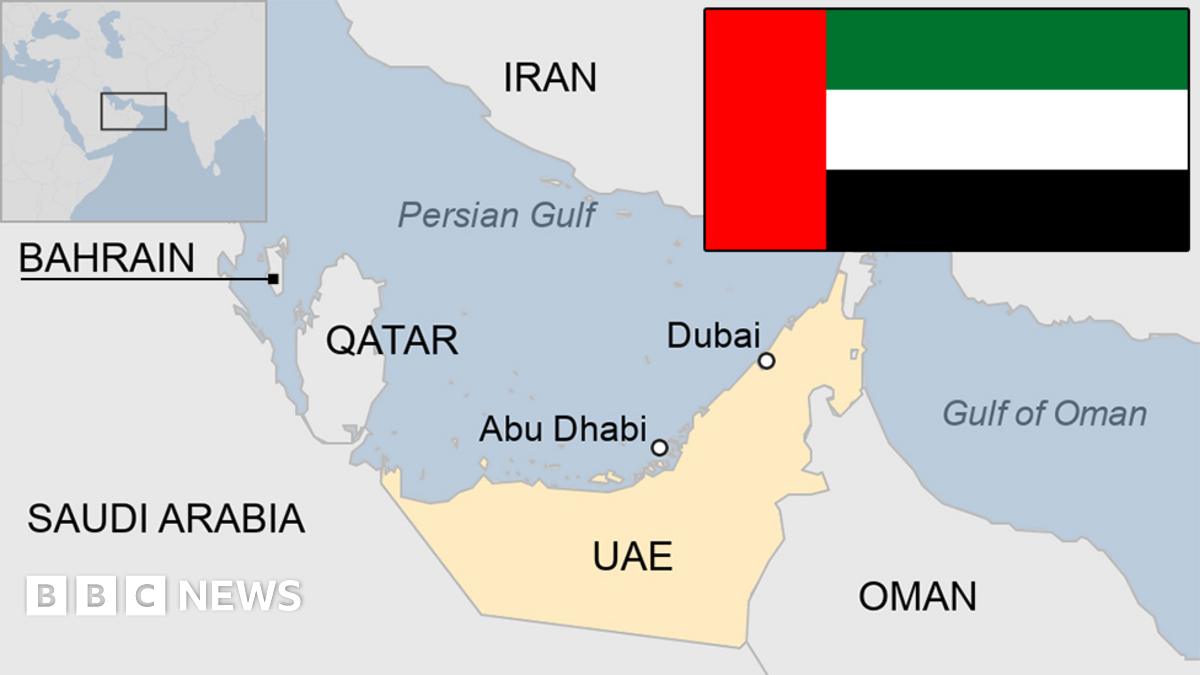
United Arab Emirates is a country in West Asia.
Blunt Score
58(+47.4%)
Public Sentiment
3dAs of March 26, 2026, the United Arab Emirates is at a critical juncture in its history, actively transitioning from a defensive posture to a more assertive role in the escalating regional conflict between the United States, Israel, and Iran. Following weeks of sustained Iranian aggression against energy and water infrastructure, the UAE has signaled a shift toward direct involvement in the war, with officials publicly advocating for a conclusive outcome rather than a simple ceasefire. Emirati leadership, including Minister of State Lana Nusseibeh and Ambassador to the U.S. Yousef Al Otaiba, has framed the conflict as a struggle against economic terrorism, particularly regarding threats to the Strait of Hormuz. While the nation continues to face direct military pressure—evidenced by the recent interception of nine Iranian drones—the government has maintained a defiant stance, rejecting Iranian threats to its coastline and declaring that decades of diplomatic efforts have failed. Amidst this security crisis, the country is also managing domestic challenges, including severe weather events that caused flooding in Sharjah, while simultaneously working to maintain its reputation as a resilient global hub for expatriates and international business.
Score Breakdown
 Blunt Users
99
 Grok
Grok68
 Llama
Llama58
 ChatGPT
55
 Gemini
45
Reviews
DRAG TO SCORE
DRAG TO SCORE
Related
United Arab Emirates is a country in West Asia.
DRAG TO SCORE
Public Sentiment
3dAs of March 26, 2026, the United Arab Emirates is at a critical juncture in its history, actively transitioning from a defensive posture to a more assertive role in the escalating regional conflict between the United States, Israel, and Iran. Following weeks of sustained Iranian aggression against energy and water infrastructure, the UAE has signaled a shift toward direct involvement in the war, with officials publicly advocating for a conclusive outcome rather than a simple ceasefire. Emirati leadership, including Minister of State Lana Nusseibeh and Ambassador to the U.S. Yousef Al Otaiba, has framed the conflict as a struggle against economic terrorism, particularly regarding threats to the Strait of Hormuz. While the nation continues to face direct military pressure—evidenced by the recent interception of nine Iranian drones—the government has maintained a defiant stance, rejecting Iranian threats to its coastline and declaring that decades of diplomatic efforts have failed. Amidst this security crisis, the country is also managing domestic challenges, including severe weather events that caused flooding in Sharjah, while simultaneously working to maintain its reputation as a resilient global hub for expatriates and international business.
Score Breakdown
Blunt Users99
Grok68
Llama58
ChatGPT55
Gemini45
Related