Winston Churchill
Politicians
About
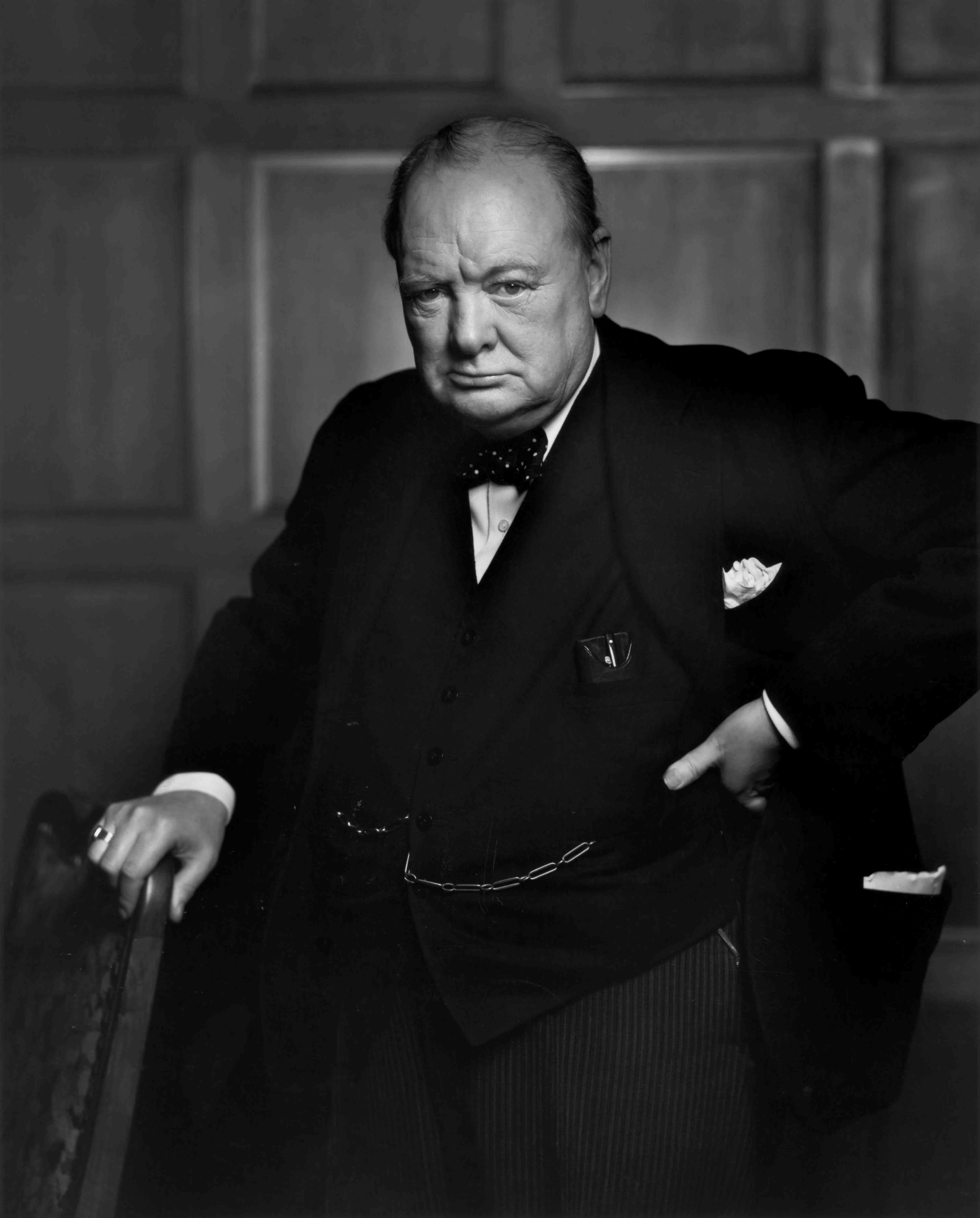
Winston Churchill is the Prime Minister of the United Kingdom
Blunt Score
70—
Public Sentiment
8dAs of March 21, 2026, Winston Churchill remains a central figure in contemporary political discourse, serving as a recurring benchmark for leadership and a flashpoint in international diplomacy. His legacy has been thrust into the spotlight due to recent friction between the United States and the United Kingdom, as President Donald Trump has publicly criticized Prime Minister Keir Starmer’s refusal to join military operations in Iran by unfavorably comparing the Prime Minister to Churchill. This rhetoric has reignited debates regarding the stability of the special relationship, with commentators questioning whether the alliance Churchill helped forge can survive current geopolitical tensions. Simultaneously, Churchill remains a focal point in British cultural identity politics, as public debate intensifies over the Bank of England's proposal to remove his image from the five-pound note in favor of wildlife imagery, a move that continues to spark controversy among those who view the change as an erasure of national history. Recent public interest has also been bolstered by the 80th anniversary of his historic 1946 "Sinews of Peace" speech at Westminster College, as well as renewed media scrutiny regarding the historical placement of his bust within the U.S. Oval Office.
Score Breakdown
 Blunt Users
3
 Grok
Grok82
 Llama
Llama82
 ChatGPT
65
 Gemini
65
Reviews
DRAG TO SCORE
DRAG TO SCORE
Related
Winston Churchill is the Prime Minister of the United Kingdom
DRAG TO SCORE
Public Sentiment
8dAs of March 21, 2026, Winston Churchill remains a central figure in contemporary political discourse, serving as a recurring benchmark for leadership and a flashpoint in international diplomacy. His legacy has been thrust into the spotlight due to recent friction between the United States and the United Kingdom, as President Donald Trump has publicly criticized Prime Minister Keir Starmer’s refusal to join military operations in Iran by unfavorably comparing the Prime Minister to Churchill. This rhetoric has reignited debates regarding the stability of the special relationship, with commentators questioning whether the alliance Churchill helped forge can survive current geopolitical tensions. Simultaneously, Churchill remains a focal point in British cultural identity politics, as public debate intensifies over the Bank of England's proposal to remove his image from the five-pound note in favor of wildlife imagery, a move that continues to spark controversy among those who view the change as an erasure of national history. Recent public interest has also been bolstered by the 80th anniversary of his historic 1946 "Sinews of Peace" speech at Westminster College, as well as renewed media scrutiny regarding the historical placement of his bust within the U.S. Oval Office.
Score Breakdown
Blunt Users3
Grok82
Llama82
ChatGPT65
Gemini65
Related