World Cup
Sports
About
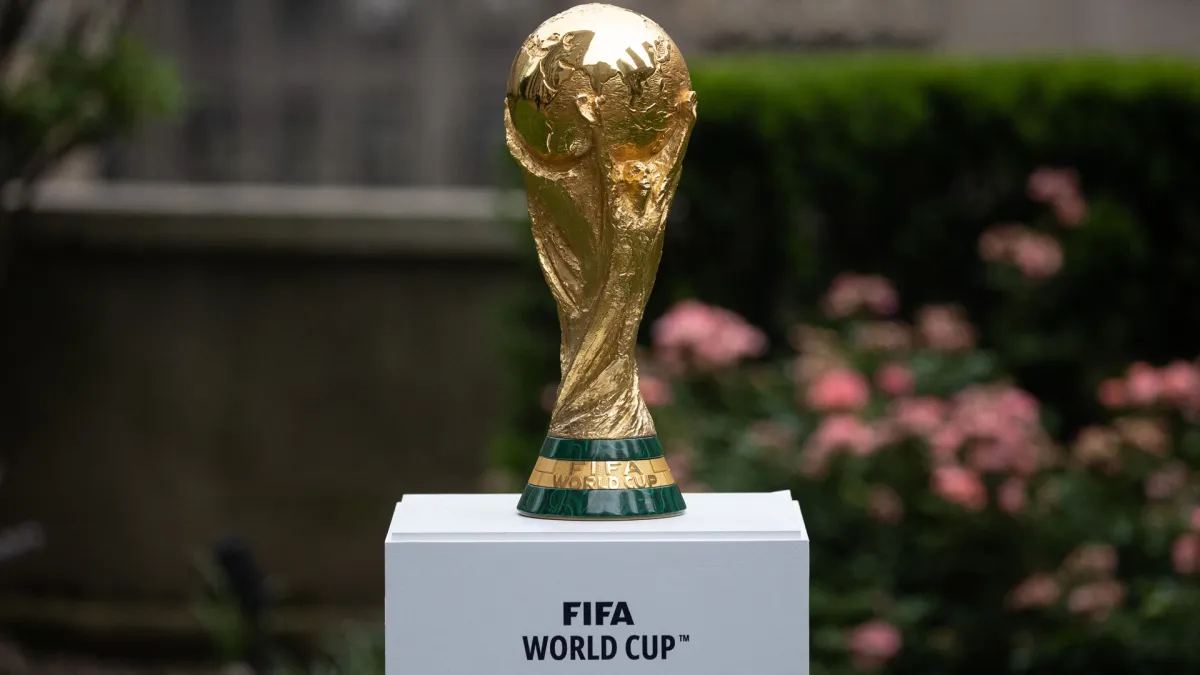
The World Cup is an international association football competition among senior men's national teams.

Blunt Score
53(-24.3%)
Public Sentiment
4hAs of March 29, 2026, the global focus on the FIFA World Cup has intensified with less than 80 days until the tournament begins in North America. Public discourse is dominated by the final phase of qualification, where Italy and Türkiye have recently advanced through playoffs, while nations like Wales and the Republic of Ireland have been eliminated. Preparations are marred by logistical and security concerns; Senator John Fetterman has warned that a Department of Homeland Security shutdown is leaving airport security significantly behind schedule, and a tragic death at Mexico City’s Estadio Azteca during a friendly match between Mexico and Portugal has raised safety questions. Diplomatic tensions persist, with the Iranian team training in Turkiye due to the US-Israel conflict, and the ongoing war has reportedly thinned crowds at other international sporting events like the Dubai World Cup horse race. On the pitch, the United States men’s national team is facing intense scrutiny following a 5-2 loss to Belgium, leading to widespread criticism of manager Mauricio Pochettino. Meanwhile, England manager Thomas Tuchel faces pressure regarding squad selection, particularly concerning Phil Foden’s status. Commercial and economic impacts are also mounting, with short-term rental prices near host venues like Gillette Stadium skyrocketing and fans expressing frustration over the rising cost of official jerseys. Beyond football, the term World Cup remains a broad descriptor for elite international competition, recently highlighted by the Dubai World Cup horse race, Mikaela Shiffrin’s historic sixth Alpine skiing title, and Jessie Diggins’ success in the FIS Cross-Country circuit.
Score Breakdown
 Grok
Grok62
 Gemini
58
 Llama
Llama48
 ChatGPT
45
Reviews
DRAG TO SCORE
DRAG TO SCORE
Related
The World Cup is an international association football competition among senior men's national teams.
DRAG TO SCORE
Public Sentiment
4hAs of March 29, 2026, the global focus on the FIFA World Cup has intensified with less than 80 days until the tournament begins in North America. Public discourse is dominated by the final phase of qualification, where Italy and Türkiye have recently advanced through playoffs, while nations like Wales and the Republic of Ireland have been eliminated. Preparations are marred by logistical and security concerns; Senator John Fetterman has warned that a Department of Homeland Security shutdown is leaving airport security significantly behind schedule, and a tragic death at Mexico City’s Estadio Azteca during a friendly match between Mexico and Portugal has raised safety questions. Diplomatic tensions persist, with the Iranian team training in Turkiye due to the US-Israel conflict, and the ongoing war has reportedly thinned crowds at other international sporting events like the Dubai World Cup horse race. On the pitch, the United States men’s national team is facing intense scrutiny following a 5-2 loss to Belgium, leading to widespread criticism of manager Mauricio Pochettino. Meanwhile, England manager Thomas Tuchel faces pressure regarding squad selection, particularly concerning Phil Foden’s status. Commercial and economic impacts are also mounting, with short-term rental prices near host venues like Gillette Stadium skyrocketing and fans expressing frustration over the rising cost of official jerseys. Beyond football, the term World Cup remains a broad descriptor for elite international competition, recently highlighted by the Dubai World Cup horse race, Mikaela Shiffrin’s historic sixth Alpine skiing title, and Jessie Diggins’ success in the FIS Cross-Country circuit.
Score Breakdown
Grok62
Gemini58
Llama48
ChatGPT45
Related